
Introduction
Titanium dental implants have long been the most trusted solution for replacing missing teeth. Their combination of strength, safety, and long-term stability makes them the foundation of modern implant dentistry.
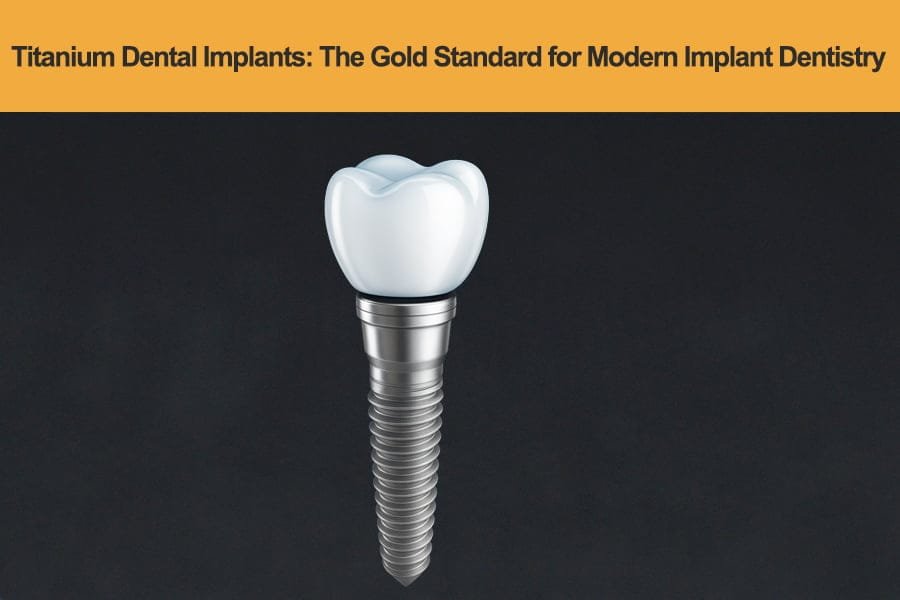
A titanium implant acts as an artificial tooth root, bonding naturally with the jawbone through a process called osseointegration. This strong connection allows the implant to support crowns, bridges, or full-arch restorations that look and function like natural teeth.
Compared with other materials, titanium offers excellent biocompatibility, meaning it works harmoniously with human tissue. It’s lightweight, corrosion-resistant, and strong enough to handle everyday chewing forces with ease.
At SF Dental Lab, we specialize in crafting high-precision implant restorations on titanium frameworks and bases. Using advanced CAD/CAM design and milling, our technicians create custom implant solutions that deliver reliable strength, esthetics, and long-term performance for dental clinics and their patients worldwide.
What Are Titanium Dental Implants?
A titanium dental implant is a small metal post that replaces the root of a missing tooth. It’s shaped like a screw and is placed directly into the jawbone. Over time, the bone naturally grows and bonds with the surface of the implant — a process called osseointegration. This strong bond allows the implant to stay firmly in place, just like a natural tooth root, and support a replacement tooth on top.
Once the implant has healed, a small connector called an abutment is attached to the top of the post. This abutment serves as the base for a dental crown, bridge, or even a full-arch restoration. The result is a strong, stable replacement that looks, feels, and functions like real teeth.
Titanium is the preferred material for dental implants because of its unique combination of strength, lightness, and compatibility with the human body. The surface of titanium forms a thin, protective oxide layer that prevents corrosion and helps bone cells attach securely. This means the body naturally accepts titanium without irritation or rejection, allowing the implant to integrate safely with the bone.
There are two main types of titanium used for implants:
- Commercially pure titanium (Grades 1–4): soft but highly biocompatible and resistant to corrosion.
- Titanium alloys (like Grade 5 Ti-6Al-4V): slightly stronger and more durable, often used for cases that require extra strength, such as full-mouth restorations.
Because titanium implants fuse directly with bone, they can last for many years with proper care. They are strong enough to handle daily biting and chewing forces, and unlike dentures, they don’t slip or move. Patients can eat, speak, and smile confidently, knowing their implants are secure and stable.
Today, titanium implants are widely used for single-tooth replacements, multi-unit bridges, and All-on-4 or All-on-6 full-arch restorations. Their combination of proven safety, durability, and comfort has made titanium the most reliable material for dental implants around the world.
Why Titanium Is the Preferred Implant Material
Titanium has become the material of choice for dental implants because it offers the best balance of strength, safety, and biological compatibility. Few other materials can perform as well inside the human body or last as long under constant chewing pressure.
Let’s look at the key reasons why titanium continues to lead in modern implant dentistry.
1. Excellent Biocompatibility
Biocompatibility means that a material can exist in the body without causing harm or rejection. Titanium naturally meets this standard.
When titanium is exposed to air or body fluids, it instantly forms a thin oxide film on its surface. This protective layer prevents corrosion and allows surrounding bone and soft tissue to attach safely. Because of this natural compatibility, the body treats titanium as part of itself rather than a foreign object.
This is why patients with titanium implants rarely experience allergic reactions or inflammation. The surrounding gums and bone usually remain healthy for many years, helping the implant stay stable and functional.
2. Strong Osseointegration
Titanium’s biggest advantage is its ability to bond directly with living bone — a process called osseointegration. After placement, bone cells grow and attach to the rough surface of the implant, locking it firmly into place.
This strong connection allows the implant to function like a natural tooth root, supporting chewing pressure without slipping or movement. Over time, this bone integration also helps prevent bone loss, which often occurs when teeth are missing.
Because of this stable bone connection, titanium implants can last for decades with proper care and hygiene.
3. High Strength and Durability
Titanium is one of the strongest metals used in medical applications. Despite being lightweight, it can handle the high bite forces of the mouth without breaking or deforming.
This durability makes it suitable for single-tooth, multi-unit, and full-arch restorations. It also performs well in patients with strong chewing habits or in areas with heavy functional load, such as the molar region.
Unlike other metals, titanium’s strength doesn’t come with added weight, so it feels natural and comfortable in the mouth.
4. Lightweight and Corrosion-Resistant
Although titanium is a metal, it’s much lighter than steel and resists corrosion even in a moist, warm environment like the mouth. The protective oxide layer acts like a natural shield, preventing rust or chemical reactions.
This combination of lightweight comfort and corrosion resistance ensures that titanium implants remain safe and functional for years, even under daily use and exposure to saliva and food acids.
In Summary
Titanium stands out for its long-lasting performance, natural compatibility with bone, and ability to support lifelike restorations. Its unique balance of mechanical strength and biological safety is what makes it the gold standard for dental implants today.
Titanium vs Zirconia Dental Implants
While titanium remains the most widely used implant material, zirconia dental implants have become a growing alternative in recent years. Both materials are biocompatible and designed to replace missing teeth, but they differ in structure, strength, color, and long-term performance.
Understanding these differences helps dentists and patients choose the best option for each case.
| Feature | Titanium Implants | Zirconia Implants |
| Material Type | Metal (titanium or titanium alloy) | Ceramic (zirconium dioxide) |
| Osseointegration | Excellent — proven long-term success | Good — still improving with new surface designs |
| Durability | Very strong and flexible under stress | Hard but more brittle; risk of fracture if overloaded |
| Color | Metallic gray (hidden under crown or gum) | Tooth-colored, naturally blends with tissue |
| Allergy / Sensitivity | Extremely rare | None (metal-free option) |
| Long-Term Record | Used for decades with high success rate | Newer technology with limited long-term data |
| Restoration Compatibility | Works with a wide range of abutments and prosthetics | Fewer system options and customization limits |
| Cost | Generally more affordable | Typically higher due to limited availability |
Which Is Better?
For most patients, titanium implants are still considered the most reliable choice. They have decades of clinical data showing outstanding long-term success, strong osseointegration, and excellent durability under daily chewing forces.
Zirconia implants are a good option for patients who prefer a metal-free solution or have thin gum tissue where implant color could show through. They are also popular in holistic or allergy-sensitive dentistry.
However, zirconia is more brittle and less flexible, which can make it prone to cracking under heavy load. Titanium, in contrast, combines high strength with slight elasticity, allowing it to absorb chewing pressure without breaking.
Conclusion of Comparison
Both materials have their place in implant dentistry. Zirconia offers excellent esthetics and metal-free biocompatibility, while titanium remains the gold standard for strength, longevity, and clinical predictability.
Types of Titanium Implant Restorations
Titanium’s mechanical strength, corrosion resistance, and excellent biocompatibility make it ideal for a wide range of implant-supported restorations. Whether used for a single tooth or a full-arch rehabilitation, titanium implants provide a stable and long-lasting foundation for functional and esthetic prosthetics.
1. Single-Tooth Implant Restorations
A single-tooth titanium implant replaces one missing tooth without involving adjacent natural teeth.
After osseointegration is achieved, an abutment and a custom-designed crown are connected to the implant fixture, restoring both form and function.
Key advantages:
- Preserves surrounding tooth structure (no need for tooth preparation)
- Prevents bone resorption in the edentulous area
- Provides excellent esthetics and long-term stability
Single-tooth titanium implants are regarded as the most natural and conservative method of tooth replacement in contemporary dentistry.
2. Multi-Unit Bridge Restorations
When multiple teeth are missing in the same region, two or more titanium implants can be placed to support a fixed implant bridge.
This approach distributes occlusal forces evenly across the implants, maintaining optimal biomechanical balance.
Benefits:
- Fewer implants required compared with one-per-tooth placement
- Enhanced stability and load distribution
- Predictable results with minimal impact on surrounding tissues
Multi-unit titanium bridges restore both esthetics and mastication efficiency while maintaining a natural feel and seamless appearance.
3. Full-Arch Restorations (All-on-4 / All-on-6 Systems)
In cases of complete or near-complete edentulism, titanium implants are used as the structural base for full-arch restorations such as All-on-4 or All-on-6 prosthetic systems.
Using four to six strategically positioned implants, a full arch of prosthetic teeth is anchored securely to the jaw. The titanium framework ensures rigidity and long-term stability under functional loads.
Clinical advantages:
- Immediate function with same-day provisional options
- Excellent load distribution and bone preservation
- Significant improvement in patient comfort, confidence, and chewing efficiency
This restorative concept allows patients to regain natural esthetics and full oral function without the inconvenience of removable dentures.
4. Implant-Supported Overdentures
For patients seeking removable prosthetics with greater retention, implant-supported overdentures use titanium implants as anchor points.
Precision attachments or locator systems connect the overdenture to the implants, providing a secure yet removable solution.
Advantages:
- Enhanced retention and stability during speech and mastication
- Easy maintenance and hygiene access
- Improved comfort compared to conventional dentures
Implant-retained overdentures offer a practical balance between functionality, affordability, and patient satisfaction.
In summary:
Titanium’s strength, stability, and compatibility with both fixed and removable prosthetic designs make it the cornerstone of modern implant dentistry—from single units to complex full-arch restorations.
Conclusion
Titanium dental implants continue to be the most trusted option for replacing missing teeth. They are strong, safe, and work naturally with the body to create a solid bond with the jawbone. This makes them one of the most reliable and long-lasting choices in modern dentistry.
Whether used for a single tooth, a bridge, or a full-arch restoration, titanium provides a stable foundation that helps patients eat, speak, and smile with confidence. Its durability also helps protect bone structure and maintain facial shape over time.
At SF Dental Lab, we use advanced digital design and precise milling to create implant restorations that fit perfectly and look completely natural. Our technicians understand the details behind each case and work closely with dentists to deliver results that are strong, comfortable, and esthetically beautiful.
If you’re looking for a trusted dental implant lab partner, contact SF Dental Lab to learn more about our titanium-based restoration solutions.

 +86-13530819074
[…] titanium implant combined with zirconia abutments and zirconia crowns/bridges for a mostly metal-free appearance […]