Introduction
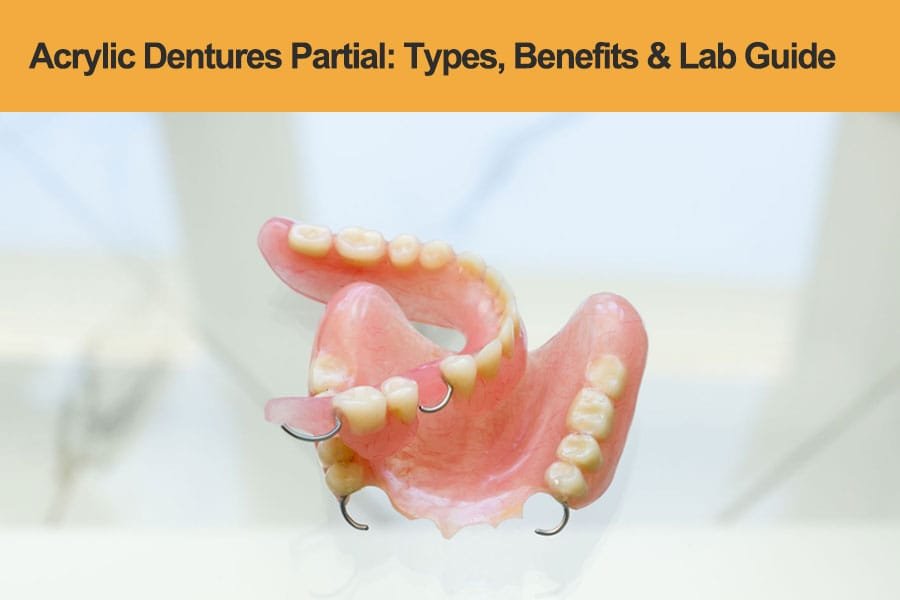
Acrylic dentures partial are a common type of removable restoration used to replace one or more missing teeth. They provide a practical solution for restoring basic function and appearance, especially when treatment plans are still evolving or quick delivery is needed.
Because acrylic partial dentures are easy to adjust, repair, and remake, they are widely used during healing periods or as a transitional option before more permanent restorations. Their flexibility makes them suitable for many short-term and budget-conscious cases.
In this guide, we explain how acrylic dentures partial work, their benefits and limitations, and when they are the right choice. Based on practical outsourcing experience from SF Dental Lab, this article is written to help clinics and dental labs manage acrylic partial denture cases more efficiently and with confidence.
What Is an Acrylic Dentures Partial?
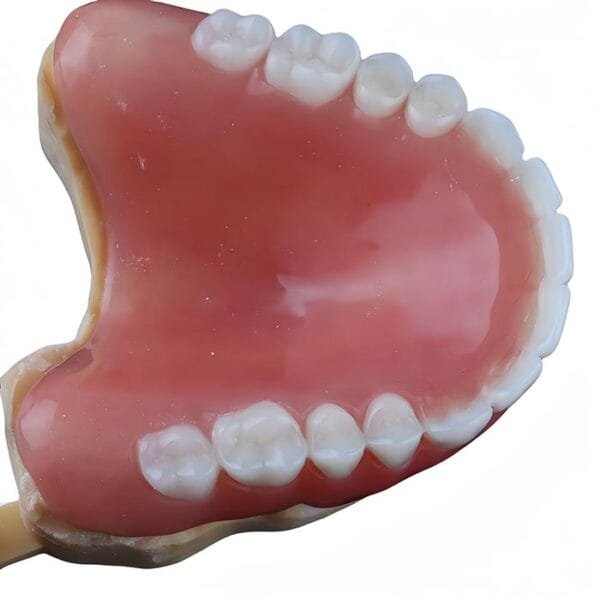
An acrylic dentures partial is a removable dental appliance that replaces missing teeth while allowing easy changes during treatment. Because it is made mainly from acrylic resin, it does not have a rigid metal framework, which makes it simpler to adjust when oral conditions change.
This type of partial denture is often used when tooth positions, gums, or treatment plans are not yet stable. If needed, teeth can be added, the fit can be relined, or small repairs can be made without remaking the entire appliance.
For clinics and dental labs, acrylic dentures partials offer a practical solution that supports basic function and appearance while providing flexibility. This makes them especially useful during healing periods or as part of a step-by-step treatment plan.
Main Components of Acrylic Dentures Partial
An acrylic dentures partial is made up of a few basic components. Each part has a clear role in how the denture fits, feels, and functions in daily use.
Acrylic Base
The acrylic base is the pink, gum-colored part of the denture. It sits on the gum tissue and supports the overall structure. Because it is made from acrylic resin, it can be relined or reshaped if the gums change over time.
Artificial Teeth
The replacement teeth are attached to the acrylic base and are usually made from acrylic material. They are selected and positioned to restore basic chewing function and provide a natural-looking appearance.
Clasps
Clasps help hold the partial denture in place by gently gripping the remaining natural teeth. In acrylic partials, these are commonly wire clasps or acrylic extensions. While simple in design, proper clasp placement is important for stability and comfort.
When these components are designed and balanced correctly, an acrylic dentures partial can provide a functional and adaptable solution, especially in temporary or transitional treatment cases.
Types of Acrylic Dentures Partial
Acrylic dentures partials can be used in different ways depending on the treatment plan and how long the appliance is needed. In most cases, they fall into two main types.
Temporary (Interim) Acrylic Dentures Partial
Temporary acrylic partials are commonly used after tooth extractions or during a healing period. Their main purpose is to maintain appearance and basic function while the mouth is changing. Because they are easy to adjust, these partials can be relined or modified as gums heal or as future treatments are planned.
Long-Term Acrylic Dentures Partial
In some cases, acrylic partial dentures are used as a longer-term solution. This may be due to budget considerations, patient preference, or clinical limitations that make metal frameworks less suitable. While not as durable as metal partials, long-term acrylic partials can perform well when properly designed and maintained.
Understanding the difference between temporary and long-term use helps clinics and dental labs choose the right design and set realistic expectations for performance and lifespan.
Benefits of Acrylic Dentures Partial

Acrylic dentures partials are widely used because they offer several practical advantages, especially in temporary or transitional cases.
- Lower cost option
Acrylic partials are generally more affordable than metal framework partials, making them suitable for budget-sensitive treatments. - Fast production time
Because the design and materials are simple, acrylic dentures partials can be made and delivered quickly. - Easy to adjust or repair
The acrylic material allows teeth to be added, the fit to be relined, or small repairs to be made without remaking the entire denture. - Useful during healing or treatment planning
They work well when the mouth is still changing, such as after extractions or before future restorative work. - Lightweight and simple design
Acrylic partials are easy for patients to insert and remove, supporting daily use and cleaning.
These benefits make acrylic dentures partials a flexible and practical choice for many short-term and transitional dental cases.
Limitations and Risks of Acrylic Dentures Partial
While acrylic dentures partials are practical and flexible, they also have some limitations that should be considered during treatment planning.
- Lower strength and durability
Acrylic partials are not as strong as metal framework partials and may fracture more easily with long-term or heavy chewing use. - Thicker design
Because acrylic needs more bulk for strength, the denture base can feel thicker in the mouth, which may affect comfort or speech for some patients. - Less stable retention
Acrylic and wire clasps usually provide less retention than metal clasps, which can lead to more movement during eating. - Higher risk of wear or damage over time
With daily use, acrylic bases and teeth may wear down faster and require repair or replacement. - Not ideal for all long-term cases
Acrylic dentures partials are often better suited for temporary or transitional use rather than permanent solutions in high-force areas.
Understanding these limitations helps clinics and dental labs select acrylic partial dentures for the right cases and manage patient expectations more effectively.
Acrylic Dentures Partial vs Metal Partial Dentures

Acrylic dentures partials and metal partial dentures are both removable solutions, but they serve different clinical needs. Understanding their differences helps clinics and patients choose the right option.
Material and Structure
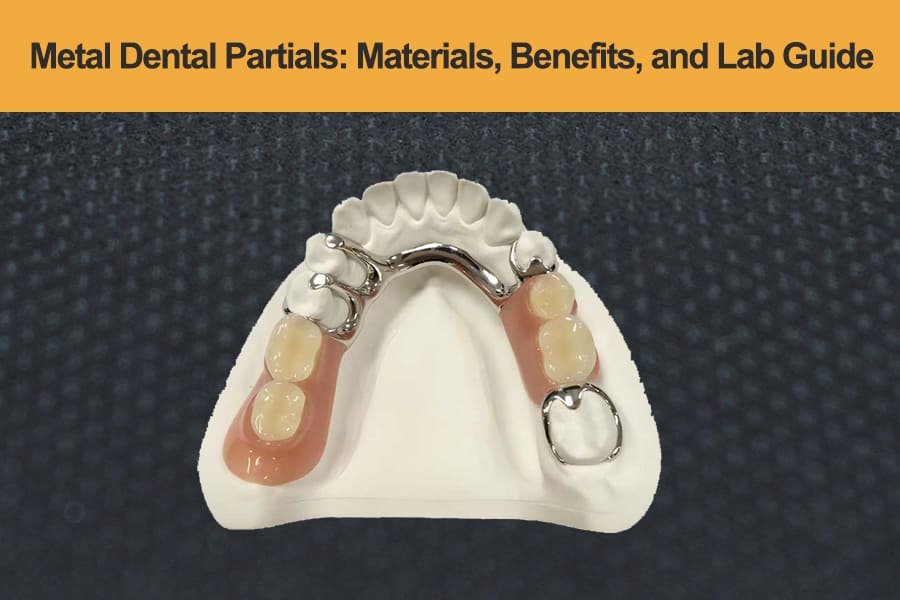
Acrylic dentures partials are made mainly from acrylic resin and do not use a metal framework. This makes them easier to adjust and repair. Metal partial dentures use a cast metal framework, which provides higher strength and long-term stability.
Comfort and Thickness
Acrylic partials usually require a thicker base for support, which may feel bulkier in the mouth. Metal partial dentures can be made thinner and lighter, often improving comfort during long-term wear.
Durability and Longevity
Metal partial dentures are more durable and better suited for long-term use. Acrylic dentures partials are more prone to wear or fracture and are commonly used for temporary or transitional cases.
Cost and Production Time
Acrylic dentures partials are generally more affordable and faster to produce. Metal partial dentures require more complex fabrication, resulting in higher cost and longer turnaround time.
Clinical Indications
Acrylic dentures partials are ideal when flexibility, speed, or future treatment changes are expected. Metal partial dentures are preferred when strength, stability, and long-term performance are the priority.
Both options have their place in dental treatment planning. Proper case evaluation and lab support help ensure the chosen solution meets clinical needs and patient expectations.
How Acrylic Dentures Partials Are Made and Turnaround Time
Case Review and Planning
The process starts when SF Dental Lab receives impressions or digital scans along with the prescription. Tooth position, bite relationship, and soft tissue areas are carefully reviewed to ensure the acrylic partial will fit comfortably and function properly.
Tooth Setup and Design
Artificial teeth are selected and set according to the treatment plan. Proper positioning is important for basic chewing function, comfort, and appearance. At this stage, adjustments can be made easily if changes are required.
Acrylic Processing
Once the setup is approved, the acrylic base is processed and cured. The gum-colored acrylic resin forms the base that supports the teeth and contacts the soft tissue. This material allows for future relines or repairs if oral conditions change.
Finishing and Quality Inspection
After processing, the acrylic dentures partial is finished and polished. The lab checks smoothness, fit, and overall quality to ensure the appliance is ready for clinical use and easy adjustment if needed.
Turnaround Time
With a streamlined workflow and clear communication, acrylic dentures partials from SF Dental Lab are completed with a stable 7–8 working day turnaround time. This predictable schedule helps clinics and dental labs manage temporary and transitional cases efficiently while maintaining consistent quality.
By combining controlled production with efficient timelines, SF Dental Lab supports clinics and dental labs outsourcing acrylic dentures partials with reliable delivery and practical results.
Why Choose SF Dental Lab for Acrylic Dentures Partial
Acrylic dentures partials are often used in cases that require speed, flexibility, and cost control. Choosing the right lab partner helps ensure these cases are handled smoothly from start to finish.
SF Dental Lab supports clinics and dental labs outsourcing acrylic dentures partials with flat pricing, allowing partners to plan cases clearly without unexpected costs. This pricing model is especially helpful for high-volume or temporary cases.
Quality remains a priority. SF Dental Lab uses top-grade materials and controlled production steps to ensure consistent fit, clean finishing, and reliable function. Combined with a stable 7–8 working day turnaround time, this approach helps clinics and dental labs deliver acrylic partial dentures efficiently while maintaining dependable quality.
Conclusion
Acrylic dentures partials play an important role in modern dental treatment, especially when cases require flexibility and quick response to change. Their ability to be adjusted, repaired, or expanded makes them a useful option during healing phases or when long-term plans are still evolving.
For clinics and dental labs, the key to successful acrylic partial cases lies in consistent execution and dependable turnaround, not just the appliance itself. A well-managed lab process helps reduce delays, simplify adjustments, and keep treatment moving forward smoothly.
SF Dental Lab supports clinics and dental labs outsourcing acrylic dentures partials with flat pricing, top-grade quality, and adependable turnaround.
If you need a responsive outsourcing partner that can handle acrylic partial cases efficiently and consistently, reach out to SF Dental Lab today and see how we can support your daily production needs.

 +86-13530819074